Why PR Is Now the Most Important Thing You Can Do for Your Google and AI Search Visibility
Why PR Is Now the Most Important Thing You Can Do for Your Google and AI Search Visibility
Most business owners I speak to are spending their marketing energy in roughly the same places: posting consistently on Instagram, maintaining a blog, maybe running some Google ads. These things matter. But there’s a shift happening in how people find businesses — and if you’re not paying attention to it, you’re going to watch your visibility quietly erode while wondering why.
The shift is this: people are no longer just Googling. They’re asking ChatGPT which accountant to use. They’re asking Perplexity to recommend a Cape Town event company. They’re getting answers from Google AI Overviews before they ever scroll down to a single website. And the businesses appearing in those AI-search-generated answers are the ones getting the customers.
Here’s the number that should change how you think about your marketing budget: 89% of what AI tools cite when recommending products and businesses comes from earned media — third-party press coverage — not your website, not your Instagram, not your ad spend. That figure comes from Muck Rack’s analysis of over a million AI search citations across ChatGPT, Claude, Gemini, and Perplexity.
So what does that mean for you? It means a feature in a credible publication does more for your discoverability than almost anything else you could spend your time on.

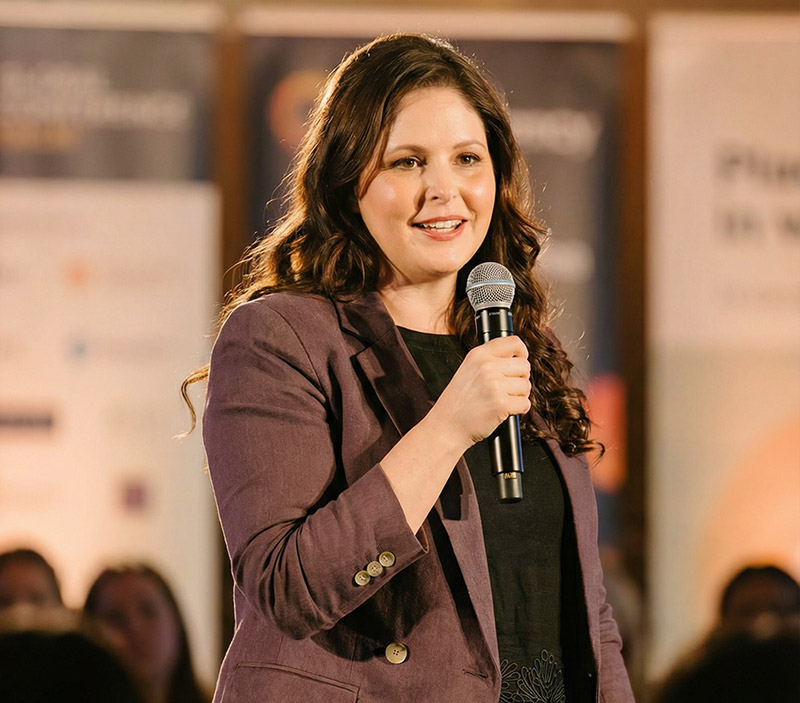
Lisa drinking from a Founders Cafe mug.
Let me show you what this looks like in practice
I recently went through this process myself with The Murder Mystery Guide, my Cape Town-based murder mystery dinner game brand.
The goal was clear: increase discoverability — both in Google search and in AI tools — for a new Print-and-Play game called *A Wedding to Die For*. Here’s what the process actually looked like, and what it taught me.
Step one was building the foundation. Before pitching any journalist, we needed assets that would hold up to scrutiny: a proper press kit with a game-specific press release, brand biography, product fact sheet, comparison table showing how the format differs from competitors, testimonials, and product images. This is the credibility layer. Without it, pitching feels amateur. With it, you’re a professional making a professional ask.
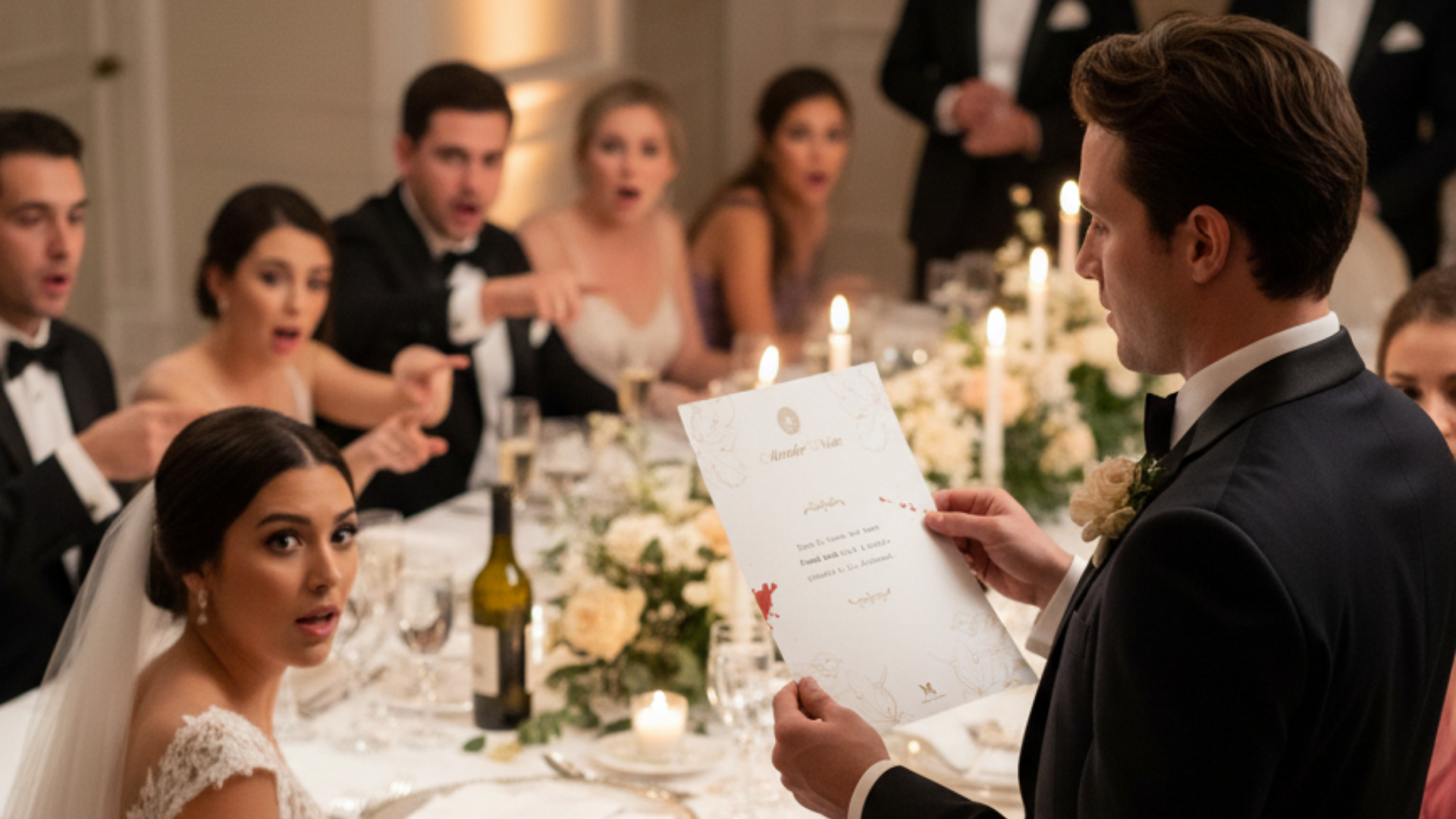
We used AI to generate mockups using our actual digital products.
Step two was identifying the right targets. Not every publication is equal in the eyes of AI. Publications like GamesRadar, Polygon, and specialist magazines like Tabletop Gaming Magazine carry high domain authority — meaning when they write about a brand, AI tools treat that mention as a strong signal of legitimacy. Local publications like Cape Town ETC matter for local search. Niche communities like Rascal News create backlinks in a specific ecosystem. Each target serves a different purpose in the overall visibility strategy.
Step three was crafting pitches for each outlet differently. A lifestyle editor needs a story about experience and social connection. A tabletop gaming editor needs to understand the format and what makes it distinctive. A freelance journalist needs to see why this is worth their time to pitch to an editor. The press release stays the same. The pitch is always tailored.
Step four was understanding the hierarchy. Editorial press coverage is the goal. Press releases to trusted newswires are a useful multiplier. Your own blog supports and converts the traffic that PR sends your way. Social media amplifies everything but generates almost none of its own AI authority.
This is not theory. This is the sequence that works.
Why your website alone won’t cut it anymore
Research from AirOps found that brands are 6.5 times more likely to be cited in AI answers through third-party sources than through their own website. Only 13.2% of brand mentions in AI search come from the brand’s own site. The other 86.8% comes from external domains.
Google AI Overviews are also reducing organic clicks by 58%, according to Ahrefs. Which means even solid SEO is losing ground as AI answers the question before a user ever visits a page.
Your website is still essential — it’s where AI sends people after press coverage convinces it you’re worth recommending. But it’s the library, not the billboard. PR is the billboard.
The hierarchy of channels for AI-search visibility
Not all content carries the same weight with AI. Here’s an honest breakdown of what works and why:
Editorial press coverage is the highest-value channel, full stop. When a credible publication writes about your brand, their domain authority transfers to you in AI’s eyes. A feature in a reputable outlet will do more for your AI visibility than months of Instagram posts.
Press releases have become more valuable than most people realise. Muck Rack found that press release citations by AI search engines grew fivefold between July and December 2025. The reason: press releases live on trusted domains, they’re structured in a way AI can parse easily, and one release can appear on dozens of sites simultaneously. The key is that they need to be specific and factual — a concrete announcement, not fluffy brand language.
Community platforms like Reddit are cited more often than most people expect — Semrush found Reddit cited at 40.1% frequency across large language models. But it’s volatile, you have limited control, and it’s not a strategy in itself. It’s a supplement.
Your blog supports your PR strategy rather than replacing it. It gives journalists depth when they research you. It converts the traffic that press coverage sends your way. It feeds your social content calendar. But it competes at a significant disadvantage against external press for AI’s attention.
Social media is the amplifier, not the source. Use it to drive traffic to your press features. Don’t confuse likes with authority.
What this means for your business right now
If you’re a South African business owner, the PR landscape is actually an opportunity. Most local competitors aren’t doing this yet. They’re focused on Instagram. They’re writing blogs. They’re running ads. Very few are systematically building the kind of editorial coverage that makes AI recommend them when a potential client types “best [your category] in Cape Town.”
The businesses that build that press trail now will compound the advantage. Muck Rack’s data shows that 50% of all AI citations reference content published within the past 11 months, with the highest citation rate occurring within seven days of publication. Which means a steady pace of press coverage — even a few features per quarter — builds stronger AI visibility than one big campaign that fades.
Here’s what a practical PR strategy looks like for a small business:
Start with a proper press kit. This includes a press release (specific to a product, launch, or news hook — not a general brand overview), a short and long brand biography, a product or service fact sheet, testimonials, and images. This is your credibility infrastructure. It needs to exist before you pitch anyone.
Identify your target publications by tier. Tier one is your highest-authority outlets with the strongest domain authority in your category. Tier two is niche publications and community platforms relevant to your audience. Tier three is local press and complementary blogs. Each tier plays a different role in your overall visibility.
Pitch with a specific story angle, not a general introduction. Journalists are not interested in your brand. They’re interested in stories their readers care about. The angle that earns coverage is always specific, timely, and audience-relevant.
Offer something to make it easy to say yes. A review copy, product sample, expert quote, or exclusive data point gives a journalist a reason to act on your pitch rather than file it.
Publish a press release when you have news. A product launch, a partnership, a milestone, a new offering — these are all legitimate news hooks. Structure the release properly, keep it factual, and distribute it to outlets that will actually publish it, not just a generic newswire that nobody reads.
Repeat consistently. Visibility compounds. One feature is better than nothing. Twelve features across a year, across different publications, builds something AI can’t ignore
The bottom line
The rules of discoverability have changed. AI tools are now the front door to your business for a growing percentage of potential clients — and those tools are making recommendations based largely on what credible third parties have said about you, not what you’ve said about yourself.
The good news is that this is entirely achievable for small businesses. You don’t need a PR agency retainer. You need a clear story, the right press kit, a targeted list, and the discipline to pitch consistently.
That’s exactly what Anago Marketing helps clients build.
—
Lisa Aspeling is the founder of Anago Marketing, a Cape Town-based brand strategy and content marketing consultancy. She also runs Founders Café, The Murder Mystery Guide, and is the co-founder of Flower Cafe.
anagomarketing.co.za
Share this article


Freebie
Most founders don’t need more content.
They need a lean system that fits real life and real businesses.
This free ebook shows you:
No fluff. No trends chasing. Just a practical framework that moves the needle.